Smart, Sustainable, and Social Design for Shared Living

Sustainability has become a crucial concern for today's consumers, reflecting a growing awareness of environmental and social impacts. It’s more than just a buzz word, it is fuelling the decisions behind many lifestyle choices such as choosing a plant-based diet to limiting the number of overseas trips.
While there may be different ways to reduce your carbon footprint, there are also different levels of commitment needed. One of the most impactful is the way we live, including our choice of home, transportation, and daily habits.
Household Size and Environmental Impact
Household size plays a significant role in environmental impact. Larger households tend to share resources more efficiently, such as energy for heating, cooling, and water usage, which can lower the per-person carbon footprint. In contrast, smaller households often consume more resources per person, with higher individual energy consumption and waste generation. According to GlobalData, in 2021 the average household size in the UK was 2.4 persons. However, due to factors such as an aging society, declining birth rates, and rising divorce rates, the Office for National Statistics believe one-person households and other households with two or more adults will increase by 727,000 (10.1%) and 833,000 (8.8%) respectively by 2028.
Looking at the data
Data collected by researchers from Leeds University shows that the number of household members directly relates to the carbon footprint of the property. For example, average carbon footprint for a four-person household is 9.5% but for a one-person household it rises to 16.9%.
Is there an achievable solution?
While it may be difficult to control your family or marital status, the solution may be shared living, which is living in a community of non-related people. In addition to numerous benefits such as cost savings, flexibility, and improved mental wellbeing, one of the biggest advantages of coliving is their significantly reduced carbon footprint. Head of Research and Sustainability from Conscious Coliving found that a coliving community had emissions one third of the average UK household and living with others reduces a person’s environmental footprint by an average of 23%.
What is shared living
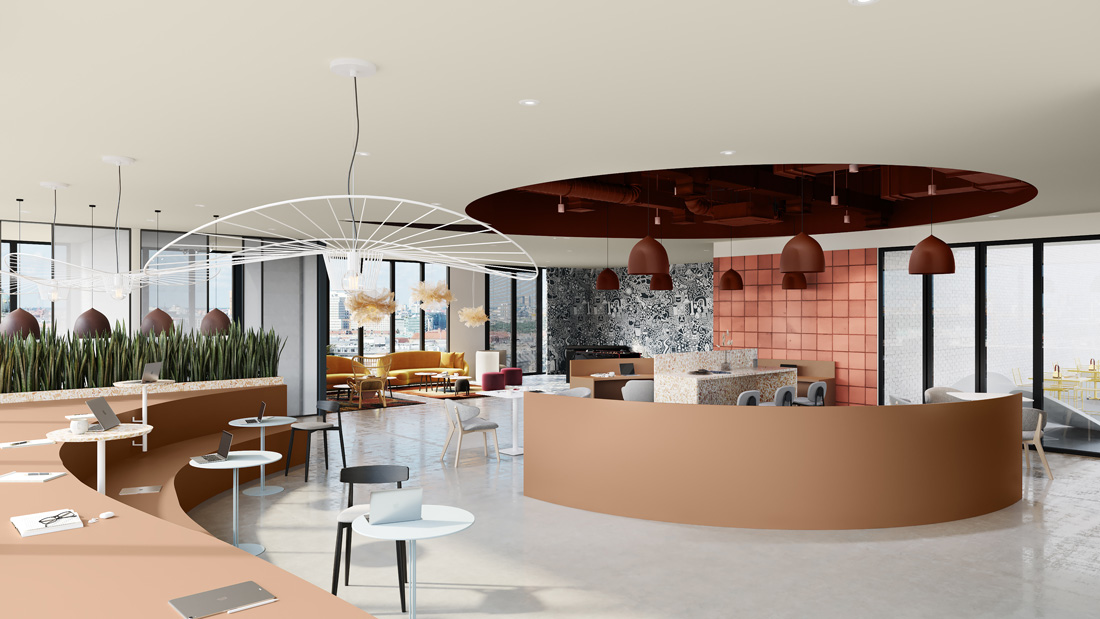
Shared living is a modern housing concept where individuals or small groups share communal living spaces while having their own private bedrooms or suites. This setup often includes shared kitchens, living rooms, and sometimes bathrooms, creating a more affordable and community-focused housing option. But what is not often spoken about is the positive reduction in carbon footprint.
Growing in popularity
According to research from Savills, activity in the shared living sector has more than doubled since the pandemic. Although shared living started in London, according to Savills, we are now witnessing an increasing trend of the UK’s regional markets embracing this concept. In the Q2 2023 report, the total number of shared living beds in the UK, either existing or proposed, was 25,021, with 3,422 operational and 21,599 in the pipeline. However, it is anticipated that the regions will be the main driver of future growth, as there were 6,879 beds outside London that were either under construction or have planning consent, which is higher than the 6,176 beds in London.
A Sustainable Solution to Reduce Carbon Footprint
Put simply, the construction industry is responsible for a big portion of the carbon footprint, but shared living requires less physical infrastructure. When the space per person ratio is lower, it means less carbon footprint. On top of the building itself, colivers share almost everything: furniture, fridge, TV, iron, vacuum cleaner etc. All of these have an associated cost of carbon footprint, so the maths is simple. If we have one iron instead of five, that’s a saving of 80% in terms of carbon footprint.
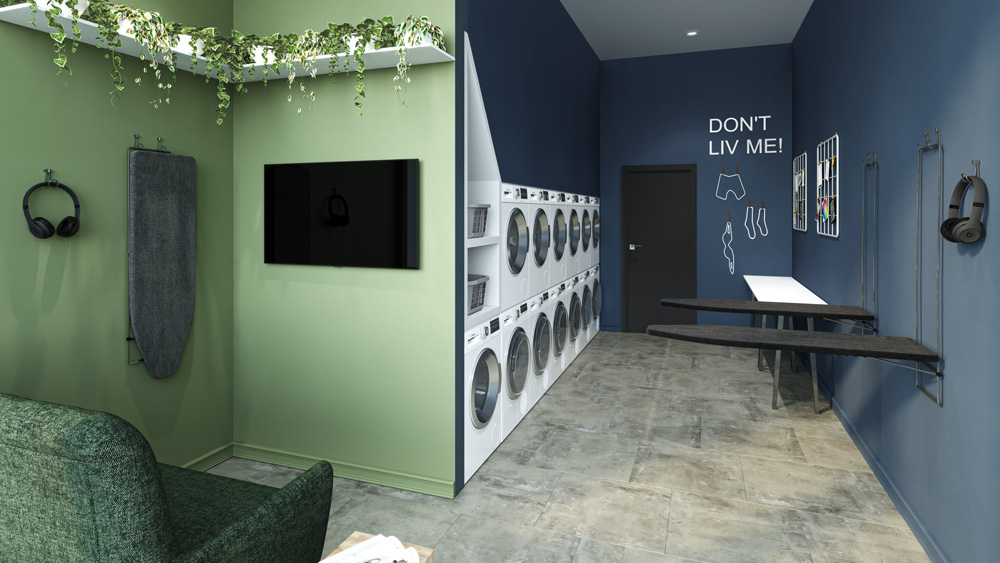
Rethinking the way we live is an innovative solution from TULU, dedicated to a more responsible mode of consumption while reducing the cost of living. For homes, businesses and shared housing, TULU is the ultimate in sharing, enabling renting access to a variety of household items, tools, and services without the need for ownership. By providing on-demand access to items like cleaning supplies, home improvement tools, and entertainment equipment, TULU fosters a circular economy, supporting sustainability while reducing clutter.
On a larger scale, shared living can contribute to the densification of cities, which leads to reduced land consumption. Fewer buildings are required, resulting in smaller cities that are well-contained within the surrounding nature. This can have a positive impact on deforestation, a common occurrence caused by city expansion, which amplifies the effects of global warming.
Smart Living for Reduced Transport Emissions
Co-living can help reduce transport emissions by promoting city densification, which shortens travel distances or even eliminates the need for transport. Shared living also encourages carpooling and group errands, reducing the number of individual trips. With amenities like coworking spaces and shops on-site, residents may not need to commute at all, further cutting down emissions.
How to design a shared living space
Martina Pardo, Founder & Director at A Designer at Heart, is a dedicated interior designer for shared living spaces including BTR and PBSA. The team have a wealth of knowledge in developing practical, beautiful spaces which meets the needs of residents in this unique market.
“Designing a shared living space requires attention to flexibility, sustainability, and community needs,” says Matina. “Colivers particularly welcome co-working spaces and outdoor areas, allowing them to work comfortable from home and having access to fresh air as and when needed. For environmentally friendly practices, design can play a critical role with features such as bike-sharing and on-site amenities. Co-living spaces should also integrate eco-friendly practices like recycling, composting, and waste reduction, making it easy for residents to follow a sustainable lifestyle.”

Top tips for designing a shared living space
• Flexible Layouts: Use modular furniture and flexible layouts to allow spaces to adapt to different needs.
• Noise Control: Designate specific quiet areas and use soundproofing materials to reduce noise in common areas.
• Storage Solutions: Provide ample storage space, both in shared and private areas, to help residents keep shared areas tidy.
• Eco-Friendly Materials: Use sustainable materials and energy-efficient appliances to minimize the environmental impact of the space..
• Enhanced Security: Use key card access, security cameras, and designated staff to make residents feel safe in shared environments.
• Community-Focused Design: Arrange seating and communal areas in a way that promotes interaction, like circular seating in common rooms.
Get in touch
Get in touch with A Designer at Heart to discuss how we can tailor our design expertise to create the ideal interior for your shared living development.

Comments
latest


