
Purpose-Built Student Accommodation (PBSA) has traditionally been designed with a short-term mindset, assuming students are only around for a year. However, the reality is that many students stay for 3 to 4 years. This shift in student living patterns calls for a rethink in how these spaces are designed. PBSA should not just accommodate students for a year but support them throughout their entire academic journey.
Here’s why the sector needs to focus on long-term living and why designing for longevity is essential in the current climate.
The Long-Term Perspective: Designing for Students’ Evolving Needs
Students are not static; they grow, change, and mature throughout their university years. The spaces they inhabit should reflect that journey. Designing for long-term living allows for flexible spaces that adapt to students’ evolving needs—whether they’re a first-year undergraduate or a mature student completing a PhD. A PBSA that evolves with its residents reduces risk and ensures a building is never tied to a single type of student or a short-term occupancy cycle.
Reducing Risk Through Diversity
One of the key advantages of designing PBSA for long-term living is the ability to cater to a diverse range of students, from freshers to more mature students pursuing postgraduate studies. By not pigeonholing the accommodation to one student demographic, you reduce the risks associated with changes in the market. Having students in various phases of study, ages, and backgrounds means you can pivot quickly during tougher market conditions. For example, when demand fluctuates for certain types of student housing, a diverse mix of residents helps stabilise occupancy, ensuring there is always demand for different types of spaces.
Storage: Space to Grow
When students first arrive at university, they bring only the essentials. Over time, however, their possessions accumulate—books, personal items, and more. It’s important to design spaces with storage solutions that allow for this growth. Long-term living requires the ability to adapt, and well-thought-out storage that grows with students is an essential part of the equation. Spacious wardrobes, shelving units, and flexible storage systems not only help students stay organised but also make them feel that the space they’re living in is truly theirs.

Progression: Room for Change
As students advance through their university years, their needs evolve. The room that suits a first-year student may no longer meet the needs of a final-year student. Providing a variety of room sizes and layouts, with the option to upgrade or move to different room types, means students can remain in the same building for the duration of their course. This not only enhances their living experience but also provides a sense of continuity, comfort, and stability.
Maturity: Designing for Students of All Ages
Not all students are 18 when they arrive at university. Many are older, pursuing Masters, PhDs, or returning to education later in life. Designing spaces that accommodate this broad demographic means ensuring that the environment caters to different stages of life and study. Mature students may value quieter, more private spaces, while younger students might prioritise socialising and communal living. A mix of both ensures that PBSA can cater to all students, creating a sense of home for everyone, regardless of age or academic stage.
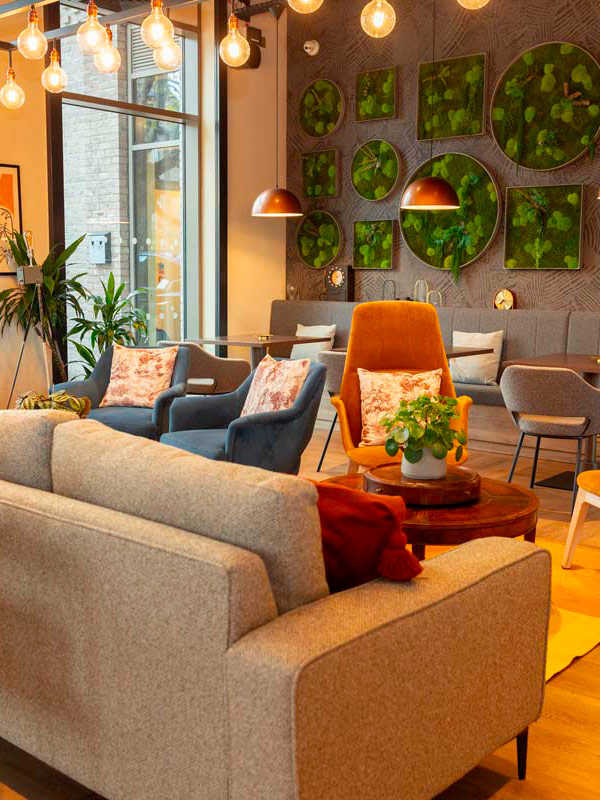
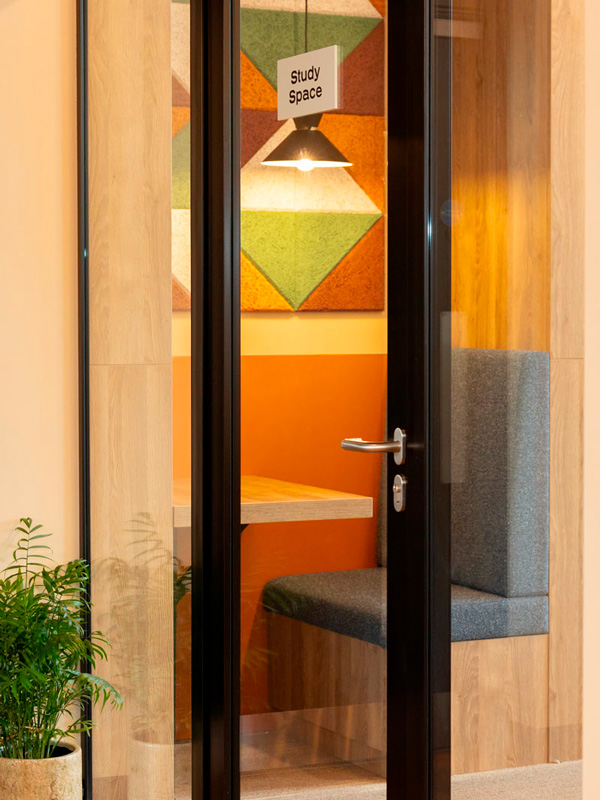
Study Spaces: Comfort and Focus
As students progress through their studies, the time spent studying increases. A well-designed study space is essential for long-term living. Going beyond the basic desk and chair, study areas should be designed for comfort, focus, and productivity. Good lighting, comfortable seating, and noise reduction are vital. As some students may stay for several years, providing adaptable spaces that meet their changing needs throughout their academic journey is crucial.

Comfort: The Essentials
Comfort is key when designing PBSA for long-term living. While the basics—such as a good mattress, soundproofing, and convenient features like plug sockets and lighting—might seem small, they have a big impact. Students living in PBSA for multiple years will come to appreciate these thoughtful touches, which will make their stay feel more like a home and less like temporary accommodation.
Designing for Longevity: Future-Proofing Your PBSA
When designing PBSA for long-term living, it’s essential to think beyond short-term trends and focus on creating spaces that will stand the test of time. Long-term living means ensuring that the space can evolve with the needs of the students while remaining flexible and adaptable. By considering factors like diverse demographics, changing lifestyles, and progression through university, developers and designers can create PBSA that’s not only more resilient in fluctuating markets but also better for the students who call these spaces home.
Conclusion
Designing PBSA for long-term living is about more than just providing a place to stay for students—it’s about creating spaces that truly support their academic and personal growth. By focusing on adaptable designs, catering to a range of student needs, and thinking long-term, we can reduce the risk of market volatility and create environments that students will thrive in throughout their entire university experience. It's time to move away from the short-term mindset and design PBSA that supports students for the long haul.
More of our articles about designing for students:
PBSA Bedroom: how to get the Best out of its Interior Design
Interior tips to design a PBSA lounge like a pro
How to Design The Ideal PBSA Study Room
The recipe for the perfect Private Dining Room in a PBSA Building

Comments
latest


